
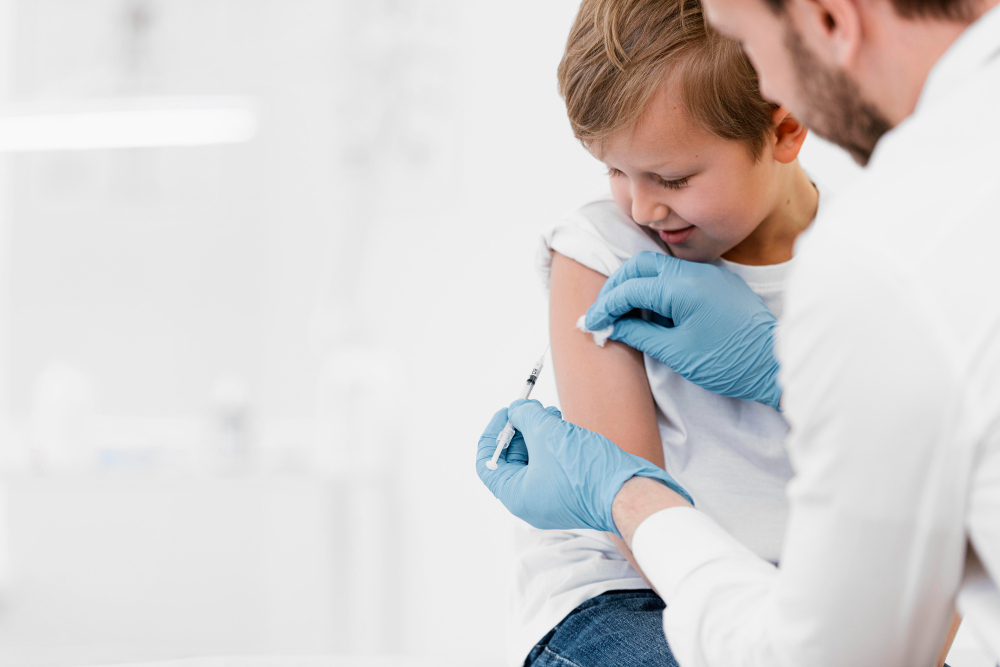
Vaccines in children play a key role in keeping kids healthy. They help protect against many serious diseases. Because of vaccines, children can grow up strong and safe. In this blog, you will learn five important facts about childhood immunization. These facts will help you make informed choices for your family. Let’s explore why vaccines matter, how safe they are, and what you need to know about the vaccine schedule for children.
Fact 1: Vaccines in Children Are Safe and Well-Tested
First, vaccines for children go through strict testing before approval. Health experts, like the CDC and WHO, check them for safety and effectiveness. After approval, experts keep watching for any problems. Because of this, serious side effects are very rare. Most children only have mild reactions, such as a sore arm or mild fever. These usually go away quickly. So, parents can feel confident that vaccines are safe for kids. If you have concerns, always talk to your child’s doctor.
Fact 2: Vaccines Are Highly Effective in Preventing Diseases
Next, vaccines work well to stop many dangerous diseases. For example, the measles vaccine protects over 97% of children who get both doses, according to the CDC. Because of vaccines, diseases like polio and measles are now very rare in many places. When children get all their shots, they are much less likely to get sick. This means fewer hospital visits and less worry for families. In short, the benefits of vaccinating children are clear and proven.
Fact 3: Common Myths About Vaccines Are Not True
Many myths about childhood immunization facts can cause confusion. For instance, some people think vaccines cause autism. However, many studies show no link between vaccines and autism, says the CDC. Others believe natural infection is better than vaccination. But, getting sick can be risky and lead to serious problems. Vaccines offer safe protection without the dangers of the disease. If you hear a rumor, check with your doctor or trusted health sources.
Fact 4: There Is a Recommended Vaccine Schedule for Children
Doctors follow a set vaccine schedule for children to give the best protection. This schedule tells when each vaccine should be given. For example, babies get their first shots at birth, then more at 2, 4, and 6 months. Sticking to this schedule helps keep children safe as they grow. The CDC and WHO update these schedules based on new research. If you miss a shot, your doctor can help you catch up. Always keep a record of your child’s vaccines.
Fact 5: Vaccines Protect the Whole Community
Finally, vaccines do more than protect one child. When most children get vaccinated, diseases cannot spread easily. This is called community protection or herd immunity. It helps protect babies, older adults, and people who cannot get vaccines for health reasons. Because of this, your choice to vaccinate helps everyone stay healthy. In many cities and countries, high vaccine rates have stopped outbreaks before they start.
In summary, vaccines in children are safe, effective, and important for your child’s health. They also protect your community. For more details or personal advice, consult your pediatrician for personalized vaccine guidance for your child.